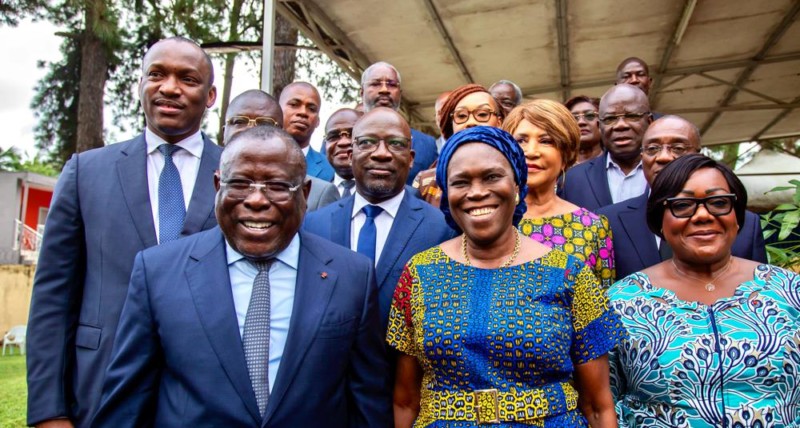

A financial volume of 39.6 billion CFA francs in revenue from extractive industries passed through the Saint-Louis region for the 2024 financial year, according to figures communicated by the National Committee of the Extractive Industries Transparency Initiative (EITI-Senegal), Ndarinfo has learned.
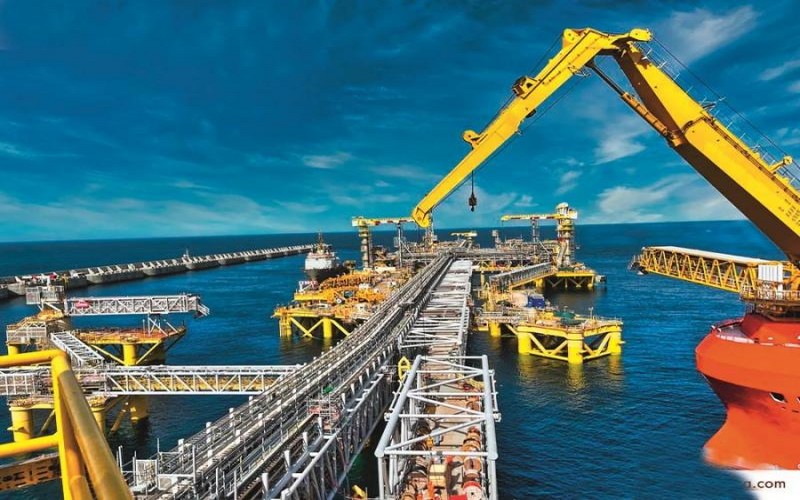
The findings were made following a nationwide tour aimed at sharing the data collected for the latest reconciliation report with local communities. For the north of the country, long considered an agricultural and fishing region, this windfall marks a significant economic shift. The start of liquefied natural gas production at the Grand Tortue Ahmeyim (GTA) field, jointly operated with Mauritania, has profoundly altered the financial flows of the sector.
Saint-Louis, the home port of this offshore infrastructure, now captures a major share of royalties, surface taxes, and other payments made to the state. This figure of 39.6 billion CFA francs, highlighted by the EITI, reflects this increase in power, although the precise breakdown by operator remains to be clarified in detail.
The issue goes beyond mere public accounting. For local authorities, the question now is one of revenue traceability and its actual impact on host communities. The EITI mechanism, to which Senegal has adhered since 2013, mandates the publication of payments made by extractive companies and their reconciliation with revenues declared by the State. This rigorous reconciliation process underpins the data provided to regional stakeholders.
Transparency and social acceptability: a balance to be built
The feedback process undertaken by the National Committee aims primarily to address the information gap that fuels latent tensions between operators, authorities, and local communities in several fishing areas. In Saint-Louis, fishermen in the Langue de Barbarie have been expressing legitimate concerns for several years about the direct impact of offshore activity on their traditional fishing grounds. The publication of financial aggregates provides an objective framework for the debate, without, however, fully addressing the pressing demands for compensation and economic retraining for those involved in the maritime sector.
Since 2024, the government has undertaken a structural overhaul of the framework governing local content and extractive taxation, with a focus on the share of revenue allocated to local authorities. The Intergenerational Fund and the Stabilization Fund, established by the law on the distribution of hydrocarbon revenues, are intended to channel a portion of these resources toward future generations. Within this comprehensive framework, the dissemination of EITI data is a prerequisite for any credible accountability to the population.
A strong signal for investors and landlords
Beyond civic concerns, the figure put forward by the EITI is attracting the attention of international investors and financial partners. The World Bank and the International Monetary Fund (IMF) are closely monitoring the implementation of the transparency commitments made by Dakar, in the context of the renegotiation of oil and gas contracts initiated by the government elected in the March 2024 presidential election. The consistency between the revenues published by the companies and those recorded by the Treasury is a key factor in maintaining EITI-compliant status.
However, the sector’s financial performance cannot mask its inherent weaknesses. Volatility in gas prices on global markets, the burden of depreciation granted to operators during the initial years of production, and adjustments related to revenue sharing with Mauritania can all impact future performance.
The 39.6 billion CFA francs generated in 2024 in the Saint-Louis region therefore represent a starting point rather than a definitively established milestone. The National EITI Committee’s ability to update, disseminate, and adapt this data to the local context will determine the concrete impact of the transparency requirement in this new Senegalese extractive cycle.
source : ndar info