Marine protected areas (MPA) are a strategic lever to reconcile the preservation of marine ecosystems and the development of a sustainable and inclusive blue economy, said the Secretary of State for Maritime Fisheries, Zakia Driouich, on Tuesday in Rabat.
Speaking at the opening of a conference held under the theme « Protected marine areas and blue economy: issues and challenges », at the initiative of the Secretariat of State for Maritime Fisheries, in collaboration with the NGO Global Fishing Watch, Mrs. Driouich stressed that the protection of the marine environment and sustainable economic development are two complementary requirements called upon to progress together.
In this sense, it recalled that the Kingdom, with its maritime vocation and its double Atlantic and Mediterranean anchorage, has an important marine capital, but is facing increasing challenges, including the pressure on fish resources, the effects of climate change, the degradation of certain habitats and the intensification of coastal uses.
For Ms. Driouich, MPAs thus appear as instruments of governance, resilience and sustainable recovery, protecting sensitive habitats, restoring fragile ecosystems and promoting the regeneration of fish stocks.
This orientation, she continued, is part of the Royal vision that has placed the protection of the marine environment at the heart of the Kingdom’s strategic priorities.
In addition, the Secretary of State for Sea Fisheries highlighted the role of the blue economy as a lever for inclusive growth, recalling the creation, in 2023, of a dedicated interministerial National Commission, responsible for ensuring the convergence of public policies and the monitoring of structuring projects related to marine activities.
It announced that the Secretariat of State has developed a 2025-2027 sectoral roadmap to make Morocco a global reference for inclusive blue growth.
This strategy includes the strengthening of the national network of MPAs, with the objective of increasing the area of protected marine areas from less than 1% currently to 10% of national waters, explained Ms. Driouich, adding that eight marine protected areas have already been created at the level of the two maritime facades, with the ambition to extend this network to twelve new areas.
For her part, Maria Graziano, Senior Manager Europe and Mediterranean of Global Fishing Watch, said that the ocean is now at the heart of global challenges, ranging from food security to economic development and climate solutions, while under increasing pressures related to overexploitation, pollution and climate change.
Marine protected areas, when well designed and effectively managed, are not restrictions, but assets to support the reconstitution of fisheries, strengthen conservation and generate sustainable economic benefits, she noted.
Achievement of these objectives requires an integrated scientific approach that takes into account the interconnection between marine ecosystems, economic activities and social dynamics, as well as an increased use of advanced technologies, said Graziano.
In this regard, it highlighted the role of satellite surveillance, artificial intelligence and data analysis, which make it possible to map human activity at sea, identify areas with high biodiversity value and improve the management and control of AMPs.
The leader also stressed the need to promote integrated governance based on collaboration between public, academia and the private sector, as well as the importance of long-term planning to anticipate future pressures on marine ecosystems.
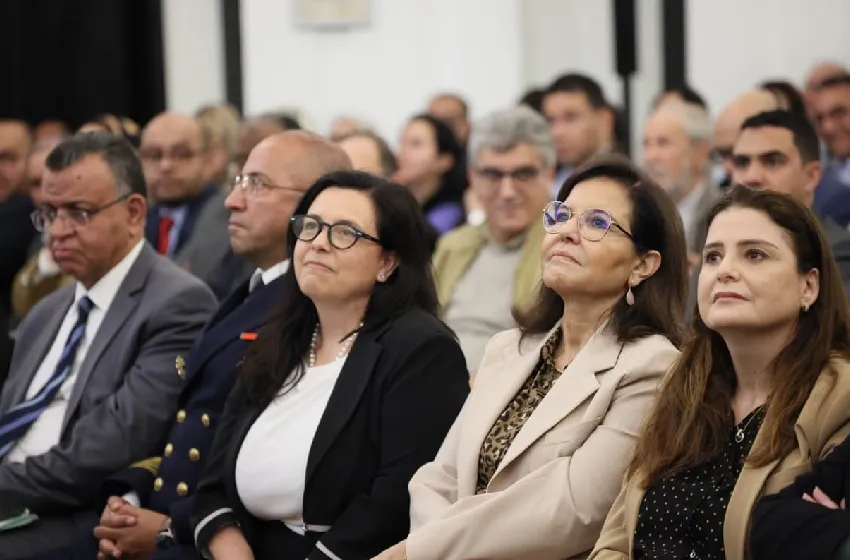
Bringing together representatives of the departments concerned, partner institutions, professionals in the sea fishing sector, as well as experts, researchers and civil society actors, this conference is part of the strengthening of national efforts to preserve marine ecosystems and promote the sustainable blue economy.
It aims to raise awareness among stakeholders of the strategic importance of LMPAs as a tool for the protection of marine biodiversity, the preservation of fisheries resources and support for the socio-economic development of coastal territories.
source : Maroc 24