
Brussels adds nine initiatives to its Euro-Mediterranean action plan, now increased to 30 measures. The
The Kingdom is directly concerned by several schemes in youth employment, professional mobility, renewable energy and migration management.
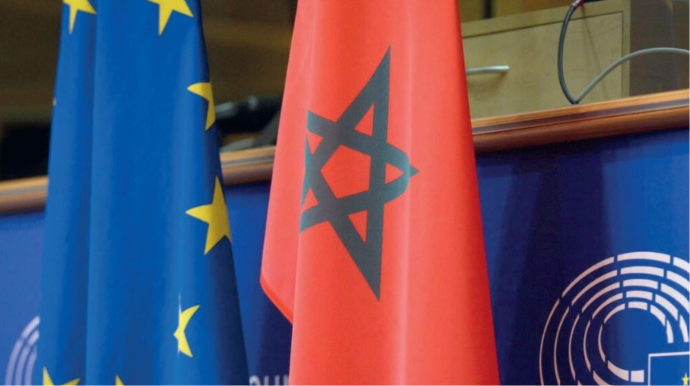
The European Commission announced on Tuesday, November 10, 2026, the addition of nine new initiatives to the Mediterranean Pact action plan, bringing their total number to 30, almost a year after the launch of this framework of
cooperation with the countries of the south shore. Morocco is among the partners concerned by several priority projects, according to the official Brussels press release.
In the field of employment, the annual report published by the Commission made and preparatory work intended to strengthen, by the end of 2026, the professional integration mechanisms for young people in Morocco and Tunisia, inspired by the
European guarantee mechanism for youth.
The Kingdom also participates in the work of setting up the MED Skills Tracker, a device intended to facilitate the recognition and comparability of professional skills between the two shores. He also submitted
a national commitment project to join the European Alliance for Apprenticeship before the end of the year.
On the migration side, technical forums have been organized in Morocco, Egypt and Tunisia as part of the THAMM+ program, in order to better match the possibilities of professional mobility to Europe
with the needs of employers, especially in transport, tourism, hotels and construction.
Energy is another major axis. Launched in June 2026, the T-MED initiative plans to mobilize up to €25 billion in investments on a Mediterranean scale by 2035, in renewable energy, electricity networks and clean technologies. Morocco is among the interested partners, with Egypt and Tunisia in particular. However, this envelope is a regional objective of mobilization, and not a
funding allocated to the Kingdom.
Among the new actions is also a protection system for vulnerable migrants, asylum seekers and refugees, especially in Morocco, with measures planned for 2027. Presented by Brussels as an evolutionary instrument, the updated action plan should be updated again in the spring of 2027.