
At a meeting held on May 28 with WTO Director-General Ngozi Okonjo-Iweala, executives from major global industrial groups and shipping companies highlighted the growing operational and economic challenges facing trade in goods. They indicated that, while global supply chains have demonstrated resilience, efforts to identify and utilize alternative shipping routes despite disruptions—particularly in the Gulf region and other bottlenecks—are driving up costs for carriers and, ultimately, for consumers.
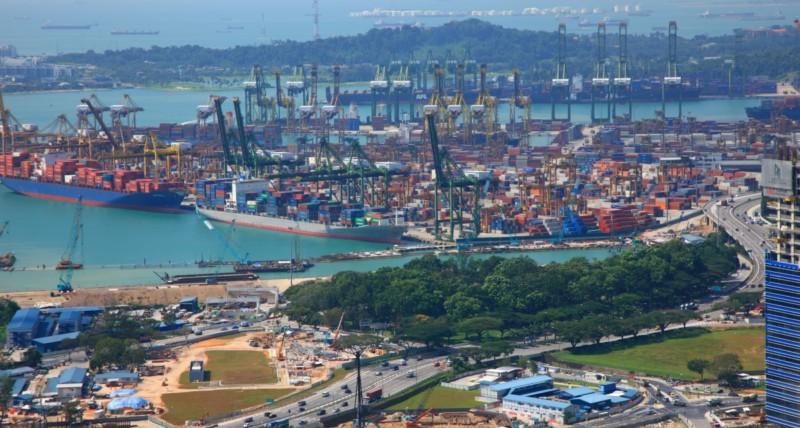
The industry representatives noted that while they were adapting and innovating, tightening capacity constraints across transport networks were presenting serious difficulties. With some alternative land-based routes and ports already saturated, shifting cargo away from maritime routes presents significant limitations and imposes increasing costs.
One executive highlighted the scale gap, noting that it can take around 70 freight trains to match the capacity of a single container ship.
Industry representatives further pointed to operational bottlenecks, including customs delays linked to multimodal logistics and the use of alternative corridors. These constraints, combined with rising costs and route uncertainty, underscore the importance of investment in improved port and logistics infrastructure globally to maintain efficient and predictable trade flows.
The industry executives emphasized the importance of respect for multilateral norms and agreements, including the longstanding principle of freedom of navigation.
Director-General Okonjo-Iweala emphasized the critical role of maritime transport – which carries over 80 per cent of global trade by volume – and called for strengthened cooperation between governments and the private sector. Addressing industry concerns regarding customs delays, she stressed the importance of full implementation of the WTO Trade Facilitation Agreement and other facilitation measures, such as digitalization of customs procedures, timely information-sharing, and restraint in the use of trade restrictions to support supply chain resilience and stability.
DG Okonjo-Iweala encouraged the industry representatives to continue engaging with the WTO Secretariat and other international organizations to spotlight the increasing challenges they face.
Participants in the meeting included senior executives from the shipping and logistics groups MSC, CMA CGM, COSCO Shipping, Hapag-Lloyd, Ocean Network Express (ONE), Evergreen Marine Corp., Yang Ming and China Merchants Energy Shipping (Singapore), as well as the heads of the International Chamber of Shipping (ICS), the International Federation of Freight Forwarders Associations (FIATA) and the World Shipping Council.
source : wTO