

The seas have never been so warm since the beginning of the surveys. The rise in temperature also has repercussions on life in landlocked countries, as the public media Swissinfo explains in this article.
A refreshing dip in the sea? For swimmers who spent their August holidays in Mallorca, this was probably not the case. A buoy off the coast of this Balearic island recorded a record temperature of 33 °C, just a few degrees less than a hot bath.
« For the Mediterranean, this is truly an extraordinary temperature record, » explains Thomas Frölicher, professor of climate and environmental physics at the University of Bern, to Swissinfo.
This anomaly is not limited to the Mediterranean, where, in some areas, the water temperature has exceeded the seasonal average by 6°C. Globally, the average temperature at the surface of the sea reached 21.1°C this summer, exceeding the record set in 2024. This is the hottest year since measurements began, according to Copernicus, the European Earth Observation Program.
Ocean warming is now 1.1 to 1.2°C above pre-industrial levels, with repercussions that go far beyond unpleasant bathing conditions. Its consequences extend to marine ecosystems and the climate of land areas, including in countries far from the coast, such as Switzerland.
« What worries me most is that today’s exceptionally high ocean temperatures will become the norm within ten or twenty years, » explains Thomas Frölicher. The most fragile ecosystems are at risk of reaching the limits of their adaptability, resulting in cascading repercussions on biodiversity, fisheries, food security and coastal communities.
Why are the seas and oceans warming?
The main cause of sea warming is greenhouse gas emissions. Carbon dioxide (CO2), methane and other gases retain heat in the Earth’s atmosphere. The oceans absorb more than 90% of this excess heat generated by human activities.
Just like on land, marine heat waves are increasingly frequent, intense and long. The share of European oceanic waters affected by these phenomena increased from an average of 40% in the 1980s to 98% during the period 2023-2025. About a decade ago, a wave of marine heat in the Pacific northeast lasted almost a year, notes Thomas Frölicher.
Warming is not limited to the surface of the ocean. Heat accumulates throughout the ocean, especially in the first 2,000 meters. However, measurements taken around Antarctica and in the North Atlantic indicate that deep waters are also gradually warming.
Climate change, and in particular the burning of fossil fuels such as coal and oil, is the main factor behind the rise in temperatures in European seas, according to a study conducted by World Weather Attribution (WWA), an international group of experts that analyzes the role of climate change in extreme weather events.
« Every additional ton of carbon we emit into the atmosphere pushes coastal waters and European ecosystems towards conditions that have never been observed before, » explains Thomas Frölicher, one of the co-authors of the study.
What is the impact of El Niño on ocean temperatures?
El Niño is a natural and cyclical climatic phenomenon that causes abnormal warming of surface water in the equatorial part of the Pacific Ocean. This year’s episode is particularly intense, it could be the strongest ever recorded.
El Niño plays an important role because it redistributes heat between the tropical Pacific and the atmosphere, continues Thomas Frölicher. « As a result, global temperatures on the surface of the sea temporarily increase even more than they would under the effect of global warming alone. » According to a recent study, El Niño phenomena are now more extreme than in the last 1,000 years.
How does ocean warming affect the climate and weather conditions in Europe?
« What happens in the ocean does not stay in the ocean, » recalls the United Nations University Institute for the Environment and Human Security.
The oceans surrounding Europe play a crucial role in shaping the continent’s climate and weather conditions. The North Atlantic influences atmospheric circulation through the prevailing west winds, while variations in sea surface temperature have a direct impact on the distribution of precipitation.
Warming of the seas brings more energy and water vapor to storms, increases evaporation and can lead to more abundant and more intense rainfall on land. It can also influence monsoons and increase the destructive potential of tropical cyclones.
In Europe, exceptionally warm Mediterranean waters have been associated with episodes of extreme precipitation, such as the floods that hit the Spanish city of Valencia in 2024.
/2026/09/17/6aabf81e4b3e6913159265.jpg)
Why is the rise in ocean temperature important for a country like Switzerland?
High temperatures in the Mediterranean promote evaporation and enrich the atmosphere with heat and moisture. When these air masses reach southern Switzerland, they can cause episodes of heavy rainfall, explains Frölicher. A similar process can also occur in the North Atlantic: if particularly hot and moisture-laden air is transported to Switzerland and meets the Alps, it can trigger heavy rainfall.
« This does not mean that every storm and every episode of heavy rainfall in Switzerland is due to high temperatures on the surface of the sea, » says the professor. However, warming seas also increases the risk of extreme precipitation episodes in Switzerland.
Research is currently being conducted to better understand the link between sea surface temperatures and extreme rainfall episodes in Switzerland.
What are the effects of rising ocean temperatures on marine ecosystems?
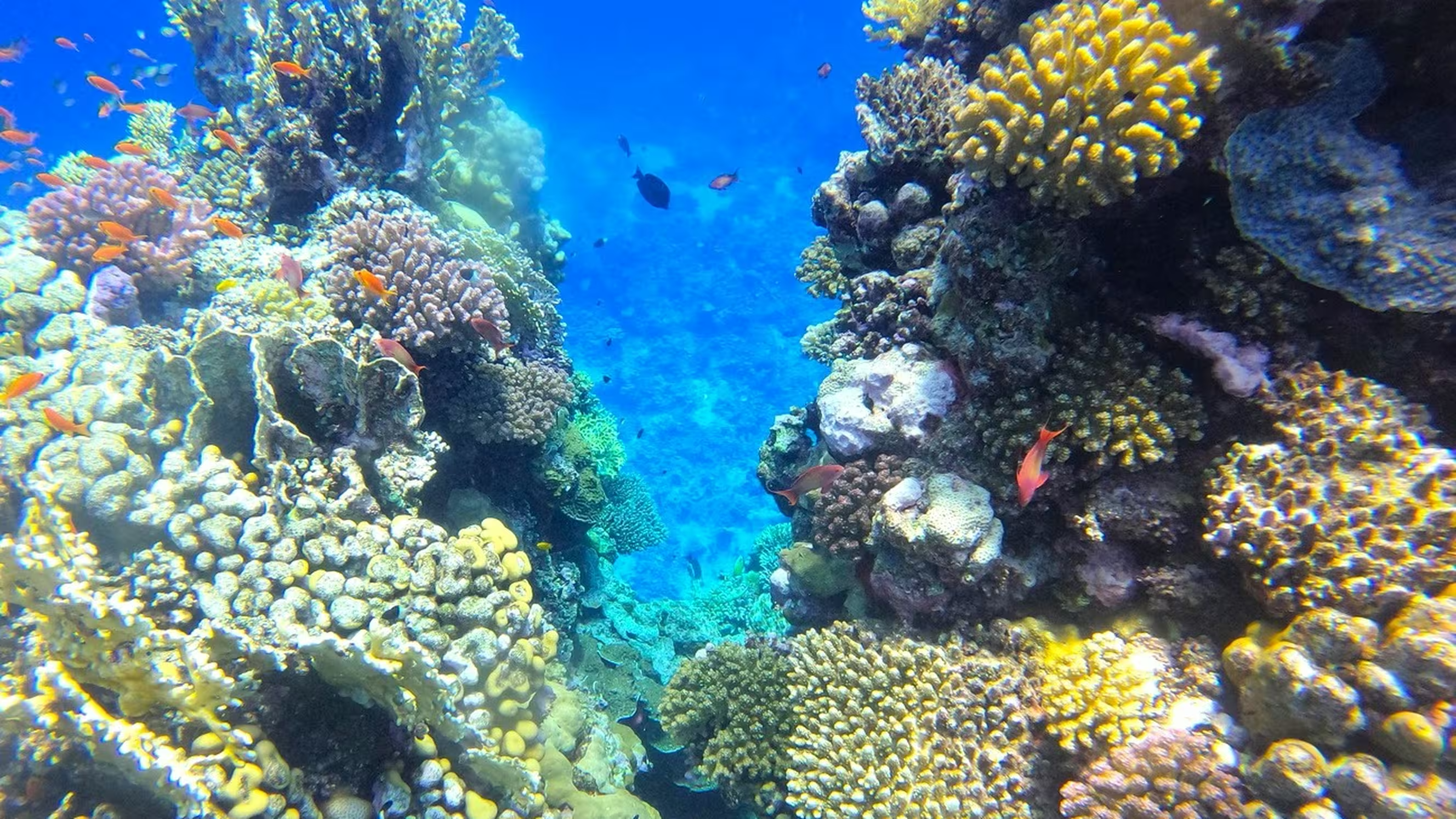
Exceptionally high sea surface temperatures and marine heat waves have « devastating consequences for marine ecosystems, » warns the WWA. They are the cause of episodes of mass mortality in key species such as corals, sponges and macro-algae.
In the Mediterranean, exotic and sometimes invasive species, such as the lionfish, are spreading and risk disrupting ecological balance, according to Guido Gnone, scientific coordinator of the Aquarium of Genoa, interviewed by the Swiss public channel RSI. While some species may benefit from new opportunities for expansion, such as the Caretta caretta sea turtle, the most widespread in the Mediterranean, climate change is likely to lead to a significant loss of biodiversity.
Thomas Frölicher shares this opinion. « Some sectors of fishing in the northern regions could benefit from species migration, » he said. However, if we look at the situation on a global scale, the balance sheet is negative. » It is the countries of the South that will pay the heaviest price, because they are heavily dependent on fishing, both as a source of income and as a vital food resource.
What are the consequences of ocean warming on human health?
According to the WWA, rising marine temperatures favor the spread of waterborne diseases such as vibriosis. In addition, the proliferation of jellyfish, favored by these new environmental conditions, can harm seaside tourism and lead to the temporary closure of some beaches.
How to adapt to constant warming of the seas?
The gradual abandonment of fossil fuels and the reduction of greenhouse gas emissions are the most effective way to limit ocean warming and mitigate its future consequences.
Adaptation measures are also necessary. According to UNU-EHS, the creation of marine protected areas, sustainable fisheries management and the restoration of coastal ecosystems, such as mangroves, are among the solutions that can strengthen the resilience of the oceans.
« The fact that ocean warming is not simply a short-term phenomenon or a phenomenon limited to the surface is often underestimated, » explains Thomas Frölicher. « The heat that accumulates in the oceans will remain there for centuries. »
The oceans remain one of our greatest allies to regulate the Earth’s climate and mitigate global warming. Their ability to continue to play this role will also depend on the choices we make today.
This article was written by Luigi Jorio and initially published on September 17, 2026 at 9 a.m. by the Swissinfo media. Edited for franceinfo by Alice Kouri.