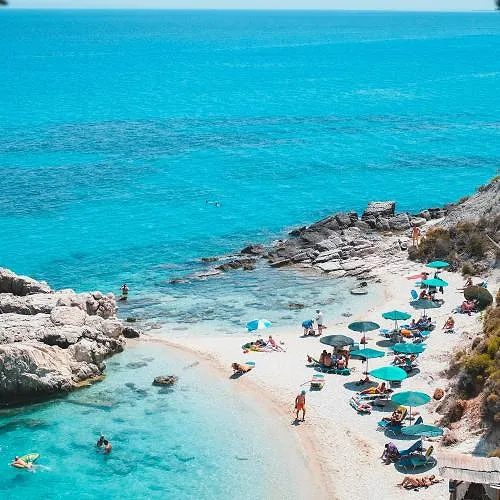
Greece has just protected 12 new beaches spread between different islands, from Crete to Corfu, in order to regulate the flow of tourists. An action that adds to those already taken a few years ago by other emblematic destinations in Europe.
Summer holidays are slowly but surely approaching and some people may be thinking about their next destination. Among the most popular countries is Greece. Last year, 38 million visitors visited according to figures provided by the Bank of Greece (BdG), an increase of 5.6%. A record broken for the third consecutive year. Greece is home to splendors ranging from Crete to the Cyclades, via its capital Athens or the Peloponnese, which should see tourists with the release of the film Christopher Nolan’s Odyssey scheduled for July 15.
The Minister of Tourism, Olga Kefalogianni, even said last February that « 2025 was the best year of all time for Greek tourism. Greece is among the 10 most popular destinations in the world, » reported AFP. Greece is a popular destination for tourists, but this trend is not without consequences with an increasingly important and oppressive overtourism for locals. The authorities are therefore facing a real balancing act: regulating the flow of tourists without sacrificing it, the tourism sector being one of the engines of the Greek economy.
12 new protected beaches
A first option has just been put in place with the addition of 12 new beaches to the list of protected beaches, which now has 250, reported the Ministries of Economy and the Environment in a press release. These new beaches are mainly located on islands such as Corfu, Koufonisia, Leucad or Crete. The goal? « Effectively protect beaches with a particular aesthetic, geomorphological or ecological value, but also preserve the types of habitats and the species of fauna and flora present there ». The government also indicates that the number of beaches protected by the Natura 2000 label « is constantly increasing ».
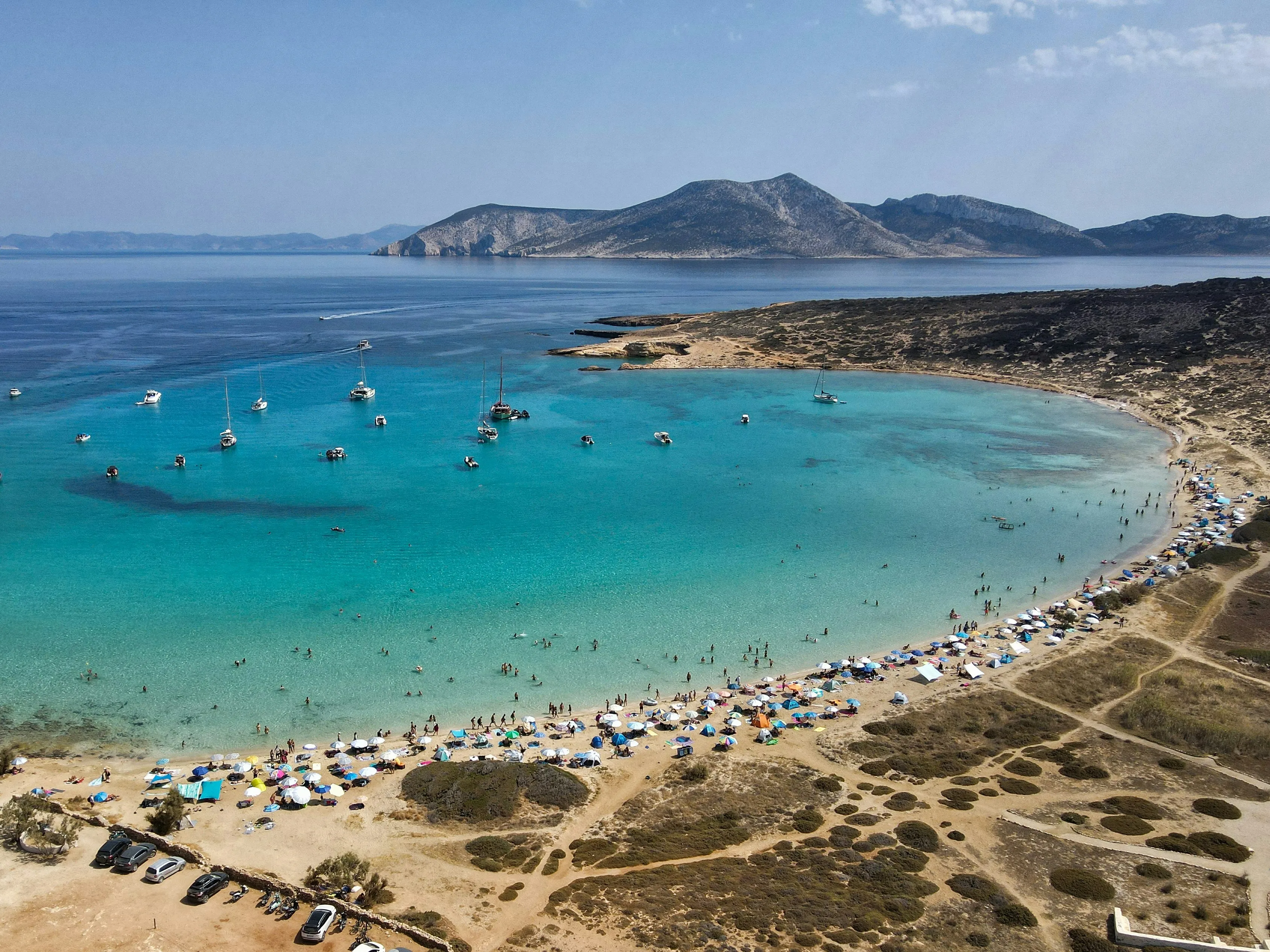
The island of Koufonisia is concerned by the addition of 12 new protected beaches. – Unsplash
In fact, these protected beaches are the subject of several measures to regulate the effect of overtourism with the prohibition of catering trucks, pleasure boats, access to vehicles, but also organized gatherings with more than ten people. As for noise pollution, it is also prohibited with the ban on the use of music, speakers and amplifiers. Another measure: the ban on umbrellas and deckchairs which can sometimes be the subject of a bitter battle between tourists…
The fight against overtourism in southern Europe
Greece is not the first European destination to implement actions to regulate the influx of tourists. One of the pioneering cities is Barcelona. The capital of Catalonia plans to abolish all Airbnb-type rentals by 2029 in order to remedy both the mass tourism and housing crisis. The price of rents jumped by 70%. Nearly 10,000 Airbnb accommodations will be revoked.
Still in Spain, Ibiza welcomes more than three million tourists while it has barely 160,000 inhabitants. Faced with complaints from the latter who feel – rightly – « invaded », the local government has decided to limit the influx of visitors. Between January and September included, only 20,000 non-resident vehicles can now circulate on the island every day (including 16,000 rental vehicles, coming from the island’s fleet). In addition, vehicles must be registered upstream.
Like Barcelona and Ibiza, another major city on the Old Continent seeks to regain control of its city center. In 2023, Amsterdam banned the construction of new hotel complexes, except in certain conditions. An establishment « can only be built if a hotel closes elsewhere. The number of beds cannot increase. The hotel must also be better, for example more modern and/or more sustainable, » said the city of Amsterdam. Hoteliers are thus invited to choose a place outside the center. The goal is to transform the capital of the Netherlands into « a forbidden zone » for new construction. “We want to make and keep the city liveable for residents and visitors. This means: no excessive tourism, no new hotels and no more than 20 million hotel nights of tourists per year ».
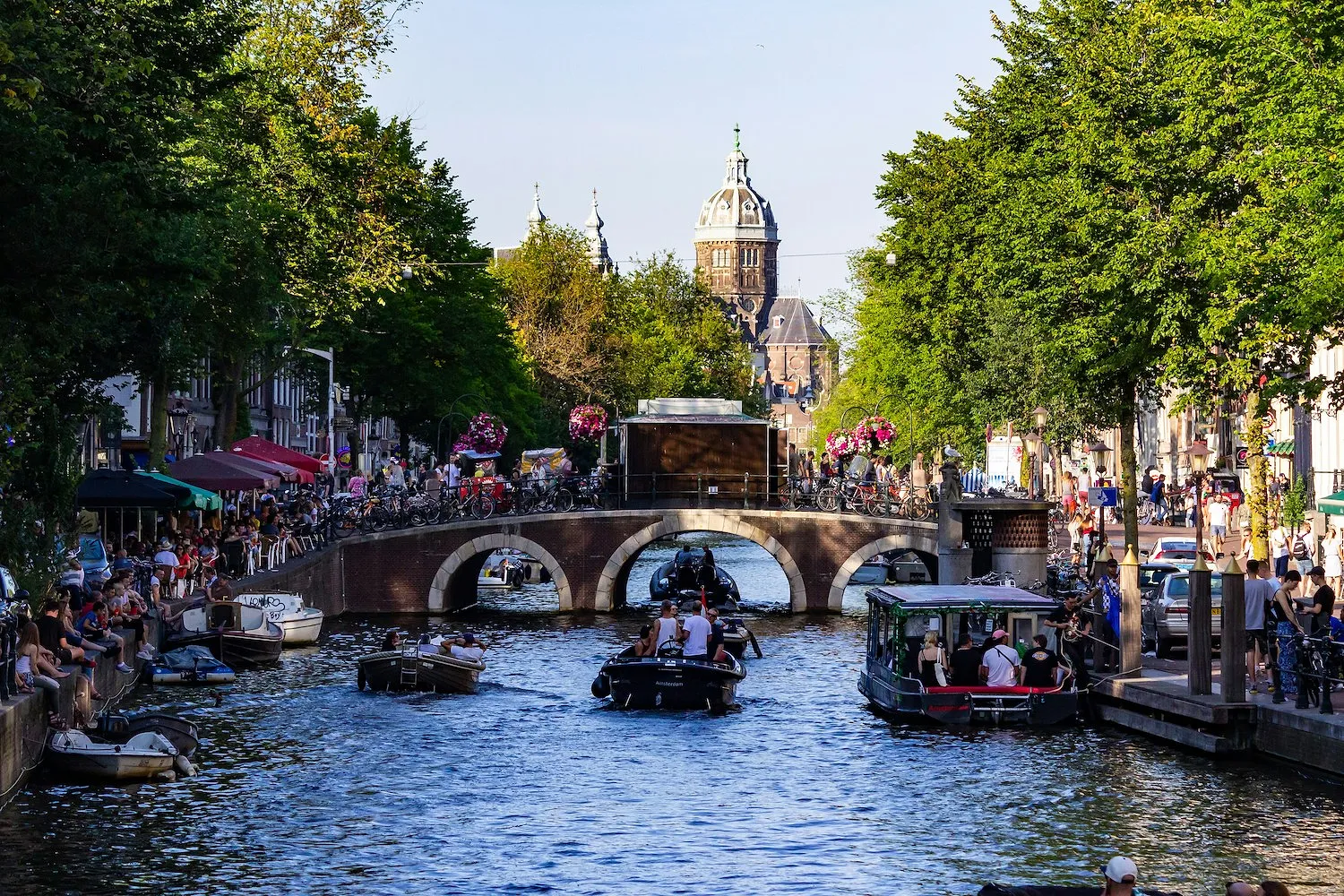
Amsterdam is the European capital most frequented by tourists. It should reinforce this first place with 30 million visitors expected by the end of the decade. – Unsplash
On the Dubrovnik side, there are an average of 27 tourists per inhabitant. The Pearl of the Adriatic has therefore taken some measures to protect its heritage and maintain the quality of life of its inhabitants. Here too, the number of one-day tourists is targeted, with the limitation of the number of cruise ships authorized to enter the city, two per day. And everyone must stay at the port for less than eight hours.
source : so soir