
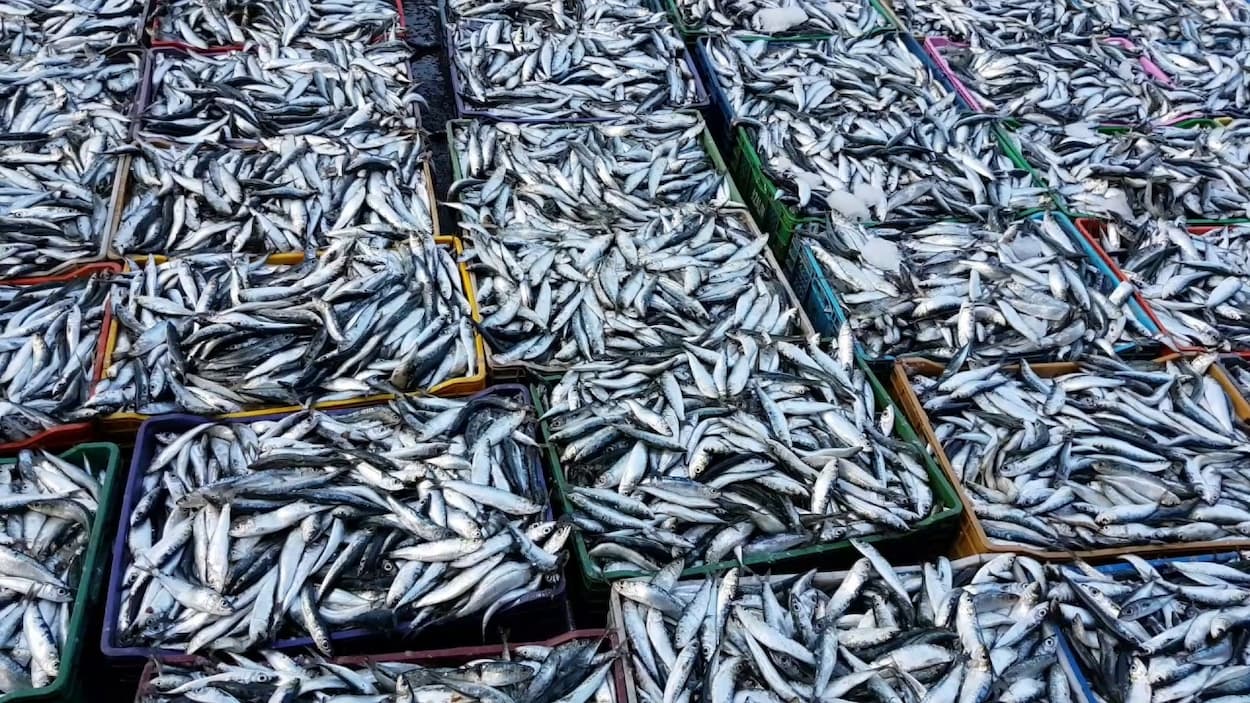
Good news, very good even for Moroccan households: there is a lot of sardines this year, a « miraculous » fishing. Overall, the results are very satisfactory in 2026, at the end of the first 8 months of the year, the landings of seafood peaked at 786,000 tons, for a value of 12.5 billion dirhams, an increase of 6% in quantity and +4% in revenues compared to the same period of 2025. But in the lot there is mainly the sardine…
The strong surge in sardine landings, exceptional figures since the beginning of the year, is driving the entire sector. Between January and the end of August 2026, the quantities fished were some 394,200 tonnes, compared to 237,800 tonnes a year earlier. This is a leap forward of almost 156,000 tons, an evolution of almost 66%. Phenomenal
The value of these landings is in the same dynamic, the overall figure has gone from 735.1 million dirhams to 1.22 billion dirhams, an increase of 66%. This evolution is a reflection of the increase in volumes from coastal fishing, including the sardine one of the main landed species.
Among the ports of the kingdom that stand out from the crowd is Laâyoune, sardine landings have increased by more than 67,000 tons, an increase of 76%. This is even better for Dakhla, where the quantities fished have shown 60,000 tons more, an increase of 222%. The ports of Tan-Tan and Sidi Ifni also stand out, the former shows an increase of nearly 38,000 tons (+110%), while the second records an additional 14,000 tons (+104%).
This increase in landings is a boon for the supply of the domestic market, it is also for units specialized in the recovery and processing of fishery products. Provided that the embellishment lasts so that the entire value chain feels the effects of this exceptional fishing. The authorities are taking advantage of this profusion of fish to promote the sustainable exploitation of fish resources…
The State Secretariat for Maritime Fisheries ensures the scientific monitoring of resources on the basis of the work of the National Fisheries Research Institute (INRH). A regulatory framework for the farm, with periods of biological rest, is put on the table to rationalize the exploitation of the sea and guarantee the sustainability of the various activities related to fishing. This is the challenge of the moment: to ensure that the marine manna does not erode. The public authorities will have to tighten the bolts.