
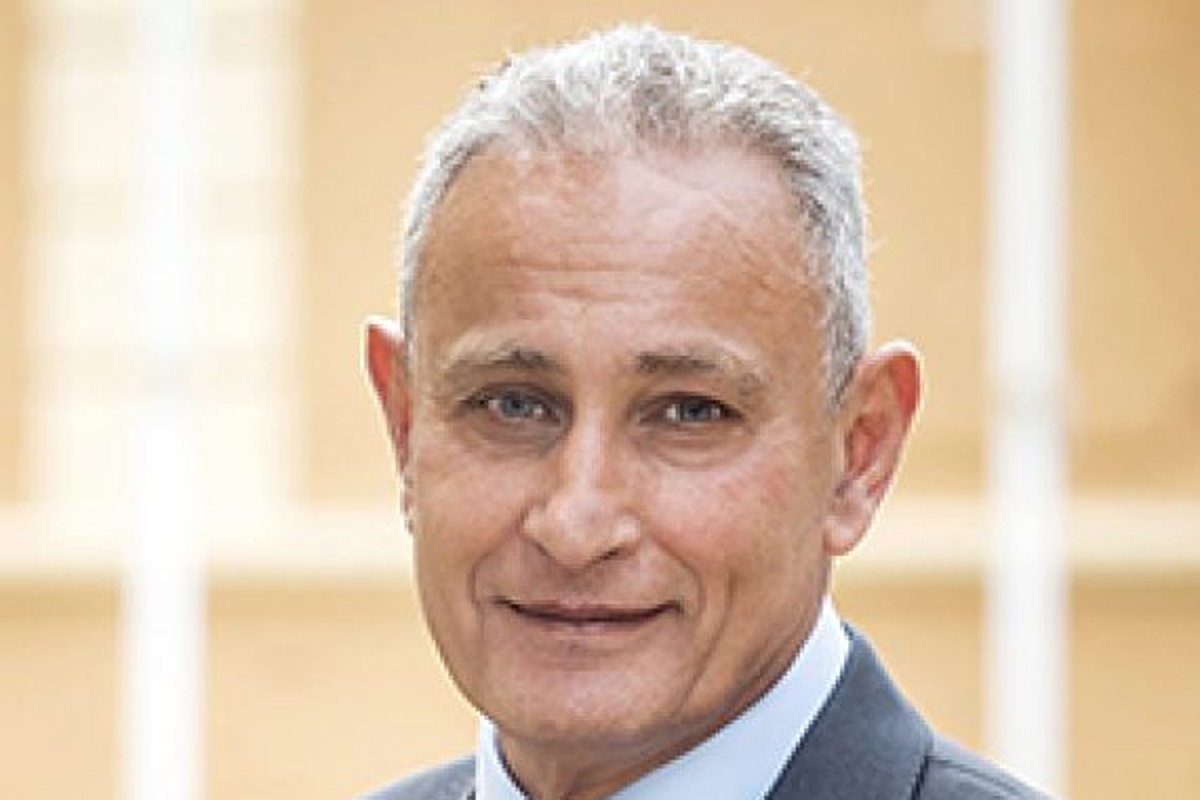
It is said that we never bathe twice in the same river. The universe is in perpetual motion: this is the feeling that lives in me when I think back to those years spent at the head of the Union for the Mediterranean, an organization whose relevance seems to me today greater than ever. She no longer has much to do with the one I joined as secretary general eight years ago. The region has changed, the organization has evolved, and I leave it as its most convinced defender. I like to see these years as a crossing still in progress, towards a horizon that remains to be reached, after having navigated in the agitated waters of conflicts, crises and global upheavals.
There is a strong story to tell: that of building our capacities and mobilizing an ever-growing network of partners, donors and stakeholders. We have co-produced reference reports on topics ranging from climate change to economic integration, and created value through initiatives such as the UpM scholarship programs, the Mediterranean Pavilion at the COP or the Mediterranean Capitals of Culture and Dialogue. As part of the Blue Partnership for the Mediterranean, we helped to mobilise more than €1 billion for sustainable blue economy projects. With the very first Intergovernmental Gender Monitoring Mechanism, we have also created a tool to measure progress and guide equality policies at the regional level.
At the same time, we have modernized the UpM secretariat to make it more agile, more impact-oriented, and better equipped to meet the changing needs of the region. There is something to look forward to, thanks in particular to the unfailing commitment of our teams which, combined with our ability to gather, remains our first asset. But much more could have been accomplished. This mixed feeling is the result of eight years of intense work, in the face of perceptions, prejudices and practices that have hindered the expression of our full potential and, in return, that of the entire region.
Beyond the nature of the conflicts in our region, which has taken on an unprecedented catastrophic dimension with the war in Gaza, other pressures are accumulating. Climate change, growing economic inequality and persistent discrimination that disproportionately affects women, young people and rural communities are all cross-border challenges that we must face collectively. Short-sighted responses, focused on security alone without addressing the root causes of the problems, will never produce lasting results. Yet, despite the need for deeper regional integration as a prerequisite for peace, stability and prosperity, there is a growing preference for the immediaty of national agendas, to the detriment of the long-term regional common good.
In the thirty years since the launch of the Barcelona Process, development cooperation has not succeeded in freeing itself from the bilateral reflexes that persist in limiting the partners of the South to a role of beneficiaries rather than co-architects of a shared future. Despite the evidence of deeper integration, strategic myopia continues to govern our choices. It maintains an artificial division between those considered useful as partners and those relegated to the margins, as if the most basic reality of geography were negotiable. But the neighbors do not choose each other. In a world that is tipping towards chaos, we cannot afford fragmented responses while a large population continues to suffer the consequences of our lack of collective preparedness at the regional level.
We know that our ability to meet future challenges will depend largely on our willingness to act together at the regional level. And yet, the lack of political commitment remains blatant in many of our Member States. These countries favour bilateralism over multilateralism for many reasons, including the perception of increasingly restrictive European regulation and over-engineering of development cooperation instruments. At a time when successive ministerial mandates and regional developments call for a deeper and broader commitment, UpM is constantly held back by the insufficiency of its resources and the resulting budgetary uncertainty: a simple look at the organization’s annual budget reveals a worrying imbalance between the commitments shown and the actual support granted by the Member States.
I leave with a conviction and a question that I invite everyone to meditate on. The Union for the Mediterranean is the only tool truly capable of building a region capable of acting as a coherent bloc, at a time when irreversible global changes are already at work. Are Member States really determined to carry this vision and to invest in it?
In the meantime, the Union for the Mediterranean will continue to achieve results and embody what a sincere commitment means in concrete terms, in full awareness of the increasing magnitude and complexity of crises that no Euro-Mediterranean country can face alone.
source : hespress