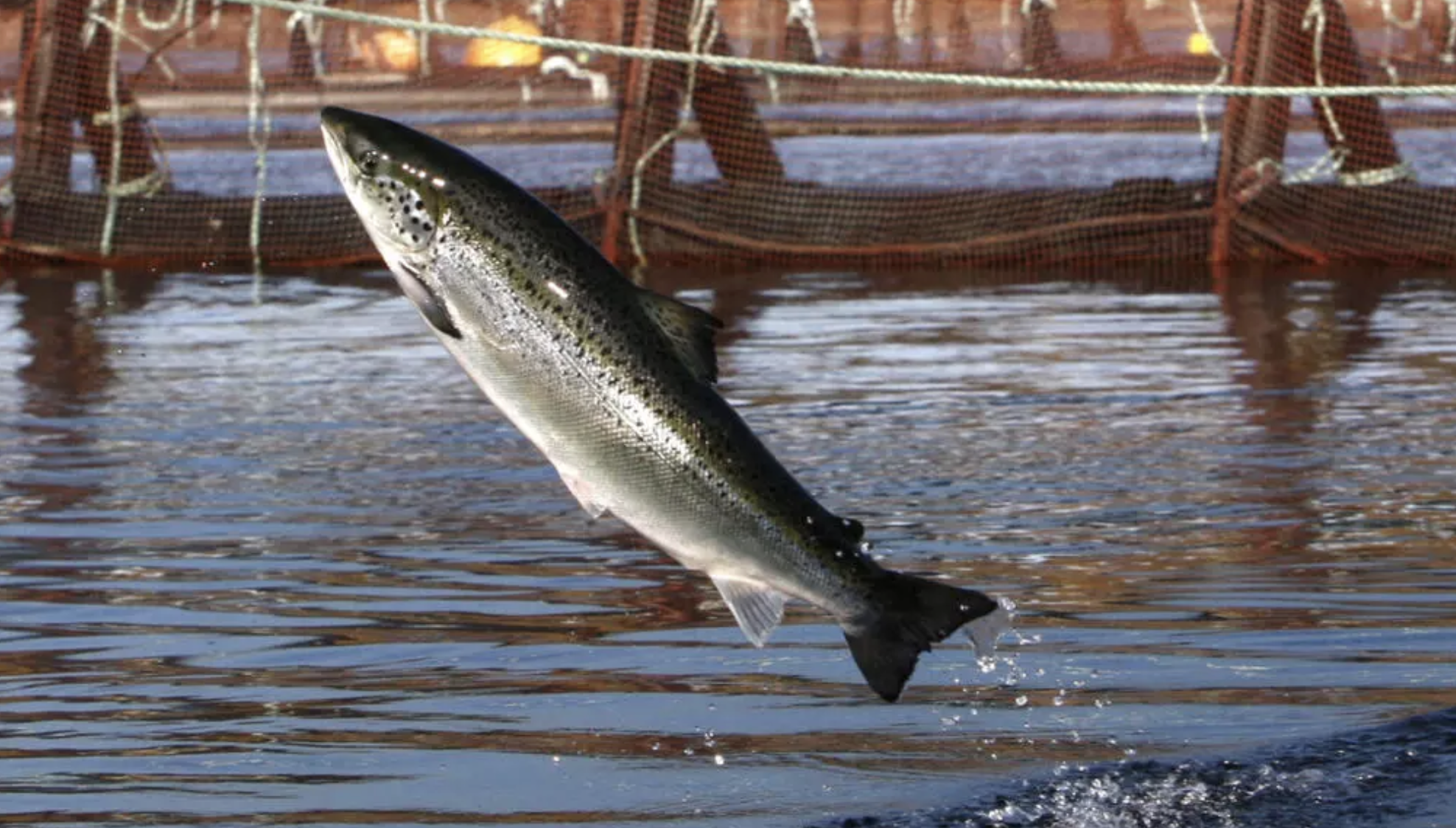
In France, the potential arrival of the largest salmon farm in the world is controversial and relaunches the debate on the interest of aquaculture. For supporters of these fish farms, the goal is to ensure the protein supply of a constantly growing world population, while overfishing depletes the resource at breakneck speed. But for its critics, aquaculture is a polluting activity that does not make it possible to fight overfishing.
Talking about aquaculture today is a simple question: how are farmed fish fed? A question that annoys because their nutrition is the Achilles heel of this aquaculture sector. Even today, most of them are fed wild fish that end up crushed to make flour or oil. Large farms in Europe and Asia therefore feed their production with fish often caught off the coast of West Africa. Mansour Boidaha is the president of Zakaria, a Mauritanian NGO that fights for the defense of the environment and sustainable development.
« When they come to fish in Mauritania, they fish pelagic fish when it is not allowed, and fresh fish. We are talking about huge quantities. A boat can fish up to 900 tons per day. However, it takes 5 tons of fresh fish to make a ton of fish meal. This means that 5 tons of fresh fish are lost on consumption. And, meanwhile, Mauritanians are dying of hunger and thirst. This is unacceptable, » he explains.
Greenpeace has calculated that, every year, half a million tons of fresh fish are fished off the African coast. But what should have made it possible to feed 33 million people on the continent is found in livestock farms.
Aquaculture, a polluting practice
Intensive farming farms are very polluting. A high density of fish means a large amount of excrement, which causes destruction and disruption of marine ecosystems. But fish into flour processing plants are also problematic. In the sights of Mansour Boidaha, the one located near the Baie de l’étoile nature reserve in Nouadhibou, Mauritania.
« These factories raise serious concerns for the environment. They dump all waste that comes out of the factory directly into the bay. It’s very serious. Sometimes the color of the water turns red. And this waste caused the arrival of a toxic bacterium that kills fish. It’s dangerous! « , continues this one.
Despite this observation, however, many institutions advocate the massive development of aquaculture. This is the case of Ifremer, for example, for which the annual production of farmed fish must increase from more than 30 million tons today to more than 70 million tons in 2050 to ensure global food security. But, specifies Ifremer, this must be done in a sustainable way and without affecting wild fish stocks. A major challenge that would remove the doubts surrounding this controversial activity.
source : RFI