

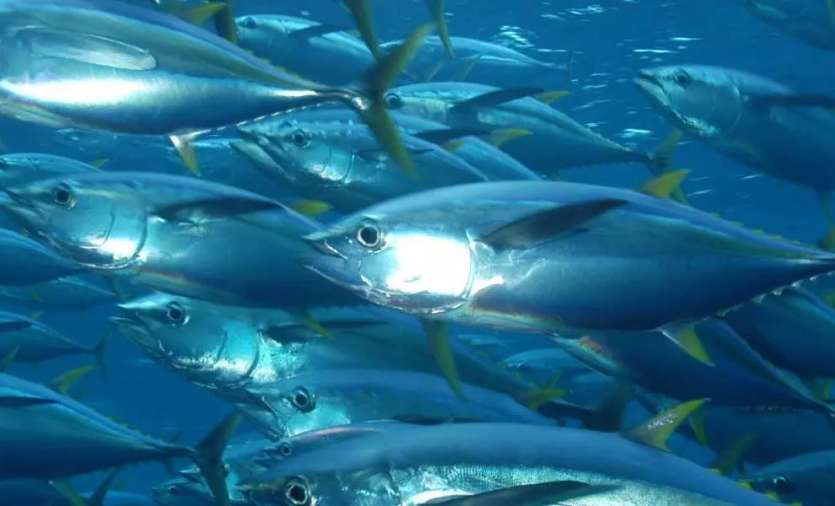
In Caledonia, where fish occupies an important place in the diet, the issue of mercury contamination of certain species regularly returns to health debates. As in other overseas territories, the authorities recommend particular vigilance around large predatory fish, especially for pregnant women and young children. An article made in collaboration with our partner Outremers360.
This is a sensitive subject in territories where the sea occupies a central place in the daily diet. In an article published this Monday, May 25 by our partner Outremers360, Caledonian doctor Claude Maillaud recalls the risks associated with the regular consumption of certain fish heavily contaminated with mercury.
In New Caledonia, as in many overseas territories, large predatory fish – tuna, swordfish, marlin, shark… – occupy an important place in eating habits. However, the higher a species is in the food chain, the more it accumulates methylmercury, a toxic form of mercury for humans.
Health recommendations have been known for several years. The National Food Safety Agency (ANSES) advises pregnant or breastfeeding women as well as children under 3 years of age to avoid certain species particularly loaded with mercury such as swordfish, marlin or sharks.
A sensitive problem in island territories
The subject concerns particularly the overseas territories, where fish is consumed much more frequently than in Metropolitan France. In Guyana, for example, health authorities regularly alert to contamination related to illegal gold mining, the mercury used in some farms ending up in rivers and then in fish consumed locally.
In the Pacific, the issue affects more large pelagic fish eaten fresh or caught locally. In New Caledonia, tuna or marlin remain popular species, especially in certain sport or food fishing practices.
The risk does not mean that you have to stop eating fish. On the contrary, the health authorities recall that seafood provides protein, omega-3 and several essential nutrients. The issue is mainly based on the diversification of the species consumed and on increased vigilance for the most sensitive populations.
Tuna particularly monitored
The debate has gained momentum in recent months around canned tuna. The NGO Bloom, specialized in the protection of the oceans and the fight against certain industrial fishing practices, published at the end of 2024 a survey claiming to have found mercury in all the boxes analyzed in several European countries.
Tests recently relayed by the UFC-Que choisir also show variable concentrations according to the product, while remaining within the current European regulatory thresholds.
These thresholds are precisely debated. Some species, such as tuna or swordfish, have higher regulatory limits than other fish, due to their position in the food chain.
According to specialists, caution therefore goes above all through the frequency of consumption. Small fish, located lower in the food chain, generally remain less contaminated.
source : lnc