
Nearly 45,000 kilos of marine and coastal waste were collected in June. This is the first result of Ogyre’s Ocean Challenge, the collective initiative launched for Ocean Month by the global Waste Fishing platform, which involves fishermen and local communities in the cleaning of plastic seas.
According to United Nations data, the ocean produces at least 50% of the planet’s oxygen and is the main source of protein for more than three billion people worldwide.
The network
Ogyre’s international network currently operates in Brazil, Indonesia, Senegal and Italy. In June, of the 45,000 kilos of marine and coastal waste collected, 40,000 kilos were recovered, thus avoiding more than 50,000 kilos of CO2 emissions and producing more than 4,400 kWh of energy from non-recyclable waste.
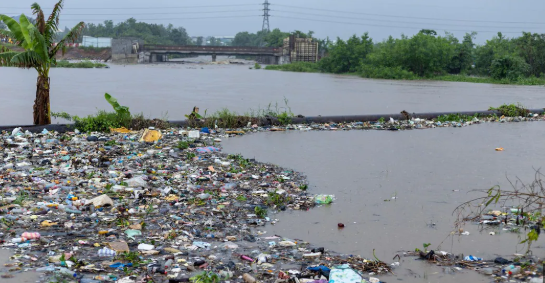
For example, the collection of waste in Indonesia, in the Batu Lumbang mangrove forest in Bali, helped increase fishing capacity by 50% and expand the area of preserved mangroves by 85,000 square meters. This has strengthened one of the most powerful natural allies against biodiversity loss and coastal degradation. Mangroves, in fact, trap many polluting materials between their roots as they flow from rivers to the sea, especially during the rainy season.
Also in Brazil, in Guanabara Bay, the CEO and co-founder of Ogyre, Antonio Augeri, explained that “various types of waste are transported by rivers and, as is also the case in Indonesia, accumulate among the roots of mangroves that, with the changing tides, become real dump islands. «
On the north and south coasts of Dakar, Senegal, the presence of waste is linked to a combination of sea currents, coastal dynamics and inefficiencies in the local waste management system. « In these contexts too, we work with fishermen to identify and dispose of waste, » Augeri concluded. « They are often degraded plastic and bulky materials, which makes operations slower and technically more demanding. The difficulty of intervention is further amplified by the variability of weather and maritime conditions, which limit operational windows and require very adaptive planning. «
For Ocean Month, 68 brands — almost twice as many as the 2025 edition — joined the challenge of accelerating progress towards the 2030 Agenda objectives, by supporting waste collection and recovery operations tracked on blockchain with verifiable and transparent data.
The situation in Italy and the next objectives
In Italy, fishermen collect the waste they encounter during their usual fishing activities: everyday objects that have ended up at sea. This goes from gutter pipes and shopping bags to personal care packaging, as well as toys and PET bottles.
Overall, the Ogyre challenge, said Alison Clausen, Assistant Ocean Decade Coordinator at UNESCO’s Intergovernmental Oceanographic Commission (IOC), “is an inspiring example of how public engagement campaigns can mobilize communities and raise awareness of the urgency of ocean protection. Through its broader work, including waste fishing operations conducted in collaboration with fishermen and coastal communities, Ogyre helps transform marine pollution from an environmental challenge into an opportunity for collaboration, awareness and concrete action. This reflects the ocean decade’s vision: to link science, society and innovation to support a cleaner, healthier and more resilient ocean for future generations. «
The next goal is to collect 20 million kilograms of waste by 2030. An ambitious challenge, but achievable.