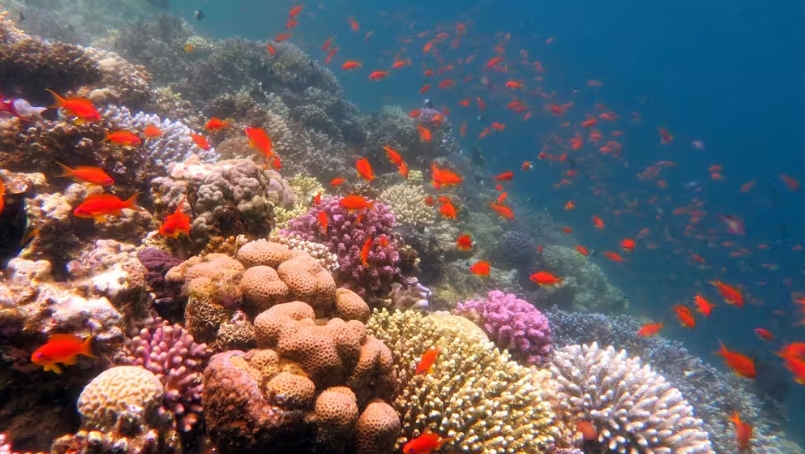
Coral reefs occupy less than a thousandth of the surface of the oceans, but are home to a quarter of marine species. Scientists have also just discovered more than 600 species of totally unknown bacteria.
The coral is a multiple being. It is both animal, vegetable and mineral. The polyp, a small medus-like tentacular being, assembles in colonies and creates a mineral skeleton – the coral limestone. In this colony, polyps cultivate, in their own bodies, small algae that feed them, living in symbiosis with them.Also read
Tanning, pollution, coral protection: True or False answers several questions about sunscreen
In addition to the mineral, the plant and the animal, the researchers have just discovered that the coral also works thanks to bacteria and among the microbial species discovered, 99% were totally unknown!
A powerful immune system
The Tara’s international goolet team has just published the results of several years of research in 99 coral reefs on 32 Pacific islands. Through DNA analysis, they identified, inside the coral, 645 species of microbes, of which less than 1% were already known.
These microbes are not pathogens. On the contrary, they are essential to the survival of the coral, especially its immune system. Like our own microbiota, but even more varied and powerful.
An important discovery for medicine
Among these coral bacteria, the researchers have identified a « cluster of biosynthetic genes », i.e. a great diversity of genes that code the manufacture of molecules that have activity on life.
It can be enzymes, antibiotics, anticancers, anti-inflammatory drugs… In any case, medicines of the future are certainly hidden in these coral microbes. There would be even more than in our current main source of new drugs: marine sponges. In short, in the coral bacteria hides the library of tomorrow’s medicines.
Alas, this library, right now, is burning. Coral reefs are one of the ecosystems most vulnerable to global warming, and they are currently disappearing. It is therefore a real race against time that is being played to try to save the corals, and the very useful pharmacopoeia they house.