

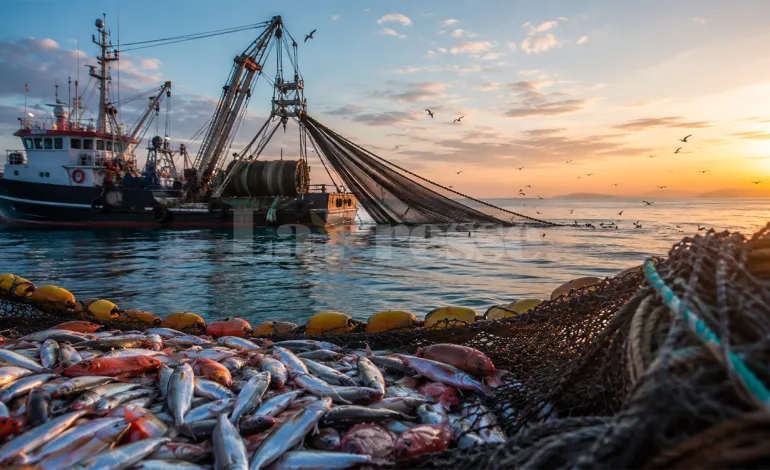
The time for the truce has come to preserve the marine ecosystems of the Tunisian coast. As of July 1, 2026, trawlers in zone No. 3 will have to cease their activities. This regulatory truce aims to regenerate benthic fish reserves and perpetuate a key sector for the national economy.
Through an official decree signed on June 19, 2026, the Ministry of Agriculture, Water Resources and Fisheries formalized the strict application of annual biological rest. This safeguard measure will apply compulsorily to all sea fishing units operating towed trawl nets within maritime zone No. 3, a strategic perimeter located just south of the parallel line passing through the Cap de Ras Kaboudia. The temporary navigation and fishing ban will take effect from July 1, 2026 and extend until September 30, 2026.
This decision is part of the legislative arsenal governing the exploitation of national fisheries resources. It follows the conclusions and technical recommendations issued by the Advisory Commission for the Organization of Maritime Fisheries at its meeting on 8 June. The fundamental objective of this temporary freezing of activities is to sanctify aquatic environments during the critical phases of the biological cycle of species. By protecting benthic fish in the middle of the breeding and growth season, the State intends to secure the natural replenishment of stocks and preserve marine biodiversity against the risk of collapse of the colonies.
Stemming commercial overfishing
Having become a pillar of environmental governance policy in Tunisia, biological rest primarily targets bottom trawl fishing, identified as one of the most invasive and aggressive capture methods for underwater soils.
According to the assessment reports of the technical services, this device has proven itself in recent years, allowing a significant rebound in fish populations of high commercial value, including crustaceans, molluscs and demersal varieties, while loosening the anthropogenic grip on marine fauna.
These temporary restrictions also reflect Tunisia’s alignment with international scientific treaties and recommendations on combating overfishing and ocean exploitation. The authorities recall that the fisheries and aquaculture sector is a vital socio-economic lung, generating thousands of direct and indirect jobs across the country and consolidating national food sovereignty. Protecting the sustainability of this natural resource thus remains an absolute priority of maritime public action.
source : la presse