
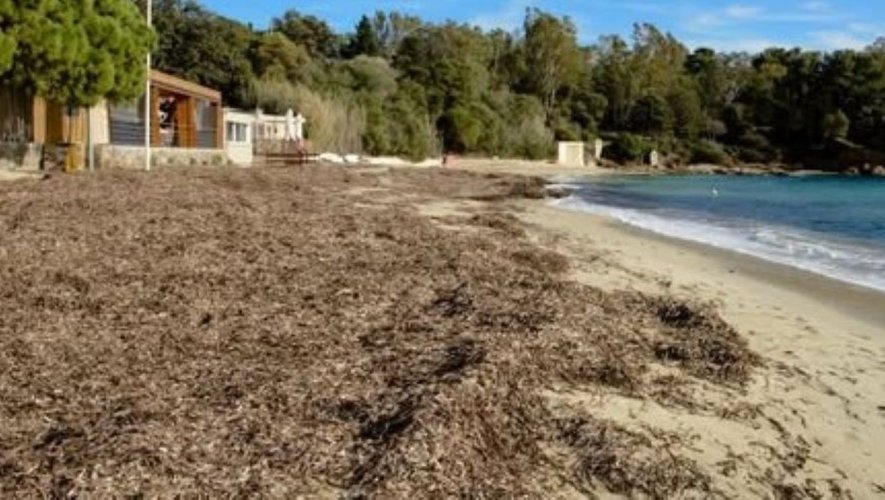
While walking or resting on the Mediterranean side, the presence of algae on the beaches can sometimes surprise. And yet, the sea leash is essential. It participates in the formation of dunes, limits erosion and is home to a real ecosystem composed of insects, crustaceans and molluscs. In addition, it feeds a wide variety of animals, such as coastal birds.
The sea leash is an essential part of the coastal food chain, as it also contains bacteria that feed the beach by transforming organic matter. Many small animals take advantage of this space that provides them with food and protection, such as sea fleas or crabs. The remains can even be used as a nesting site for some species of birds (for example the Gravelot with an interrupted collar). The sea leash is therefore natural and is not pollution.
The sea leash should not be confused with man-made marine waste that ends up at sea. They are brought back on the beaches by sea currents and end up in the sea line. There are plastic bags, plastic balls, hydrocarbon plates, fishing nets and various other debris.
Mechanical cleaning using screeners eliminates waste and gives the beaches a clean appearance. But it also destroys the sea line, thus endangering the entire ecosystem. A beach that is too cleaned thus loses an essential part of its biodiversity. Selective, manual collection should be carried out in order to leave natural waste and only collect human waste. This collection is also carried out regularly by various associations.
source : midi libre